EN
EN

What are you looking for?

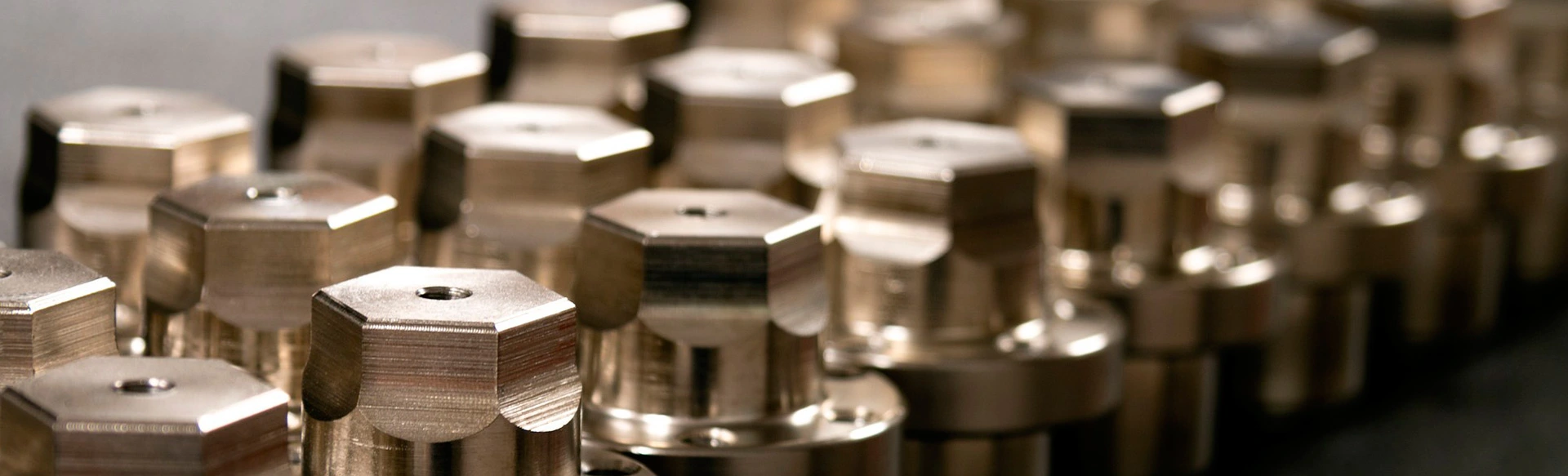
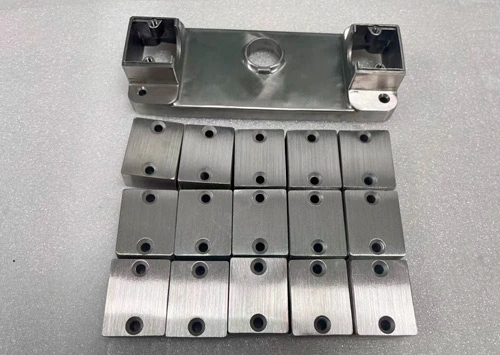
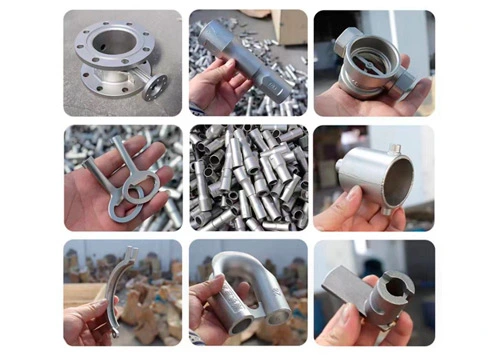
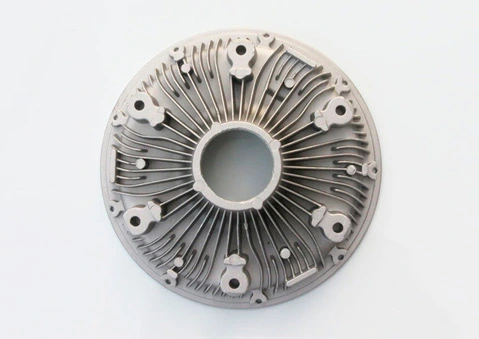
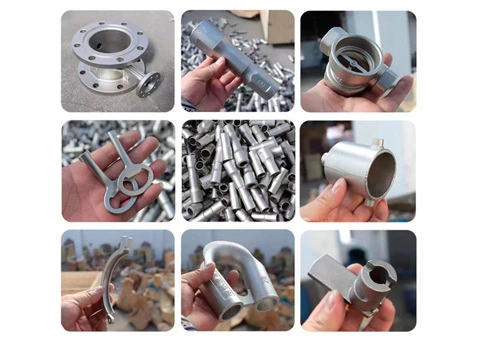
Stainless steel die casting (SS die casting) is the ideal method for producing a large number of metal parts with excellent surface finish and dimensional stability. Essai employs advanced vacuum assist and hot chamber technology in SS die casting to achieve superior integrity and reduced porosity, which is critical for demanding applications like medical and aerospace components.
Stainless steel die castings have excellent corrosion resistance, high strength, and excellent thermal conductivity. The ss die casting allows for intricate designs, tight tolerances, and smooth surface finishes. This steel casting manufacturing process cost-effectively produces durable, high-quality components for a wide range of applications, including automotive, aerospace, and industrial equipment. When choosing a manufacturing method for complex stainless steel parts, ss die casting offers an optimal balance of performance, precision, and efficiency.
Stainless steel pressure die casting stands out from other die-casting processes due to its unique properties. Unlike other materials used in die casting, stainless steel offers excellent corrosion resistance, high tensile strength, and good mechanical stability. This makes stainless die casting an ideal choice for applications where durability and resistance to harsh environments are crucial.
The corrosion resistance of stainless steel is a significant advantage in die-casting applications—ss die casting benefits greatly from this key property. It ensures that the final product will not be easily damaged or affected by corrosive elements, making it suitable for various industries where exposure to corrosive substances is common. Additionally, stainless steel's resistance to oxidation and rusting contributes to the longevity and reliability of the die-cast components. Through ss die casting, manufacturers can produce durable parts that maintain their integrity and performance even in challenging environments.
Stainless steel pressure die casting—ss die casting—finds extensive utilization in several industries. Some prominent sectors where this process is commonly employed include automotive manufacturing, aerospace, marine, oil and gas, and food processing. Its ability to withstand harsh operating conditions and resist corrosion makes it an ideal choice for applications in these industries.
Firstly, stainless steel has a higher melting point compared to other materials used in die casting. This characteristic requires careful temperature control during the casting process, unlike zinc pressure die casting, which has a lower melting point. Secondly, stainless steel has lower fluidity, making it more prone to defects like shrinkage or porosity. Therefore, proper gating and venting systems need to be designed to ensure successful casting.
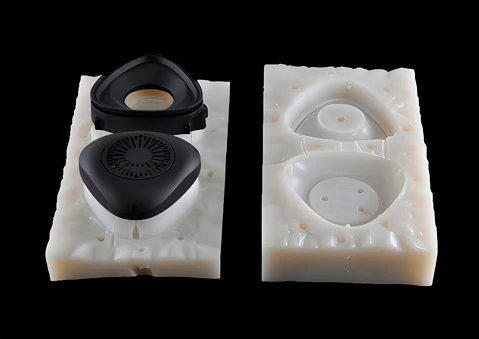
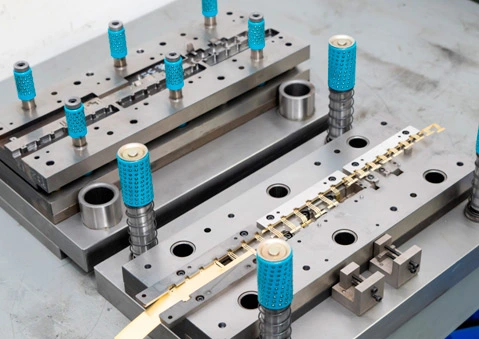
Designing molds for stainless steel pressure die casting requires careful consideration of several factors. To avoid issues like porosity, the mold designs should include proper venting systems that allow the escape of trapped air and gases during the casting process. Additionally, the mold design should ensure efficient metal flow and uniform cooling to prevent any defects. The choice of mold materials should also be considered, as stainless steel's higher melting point may require molds made from materials with high-temperature resistance.

We are warmly welcome your inquiry, you can call or send a email directly, we are always here to support you for engineer manufacture solution, DFM, price ideal whatever you need.